Prescription Drug Addiction
Prescription Drug Addiction
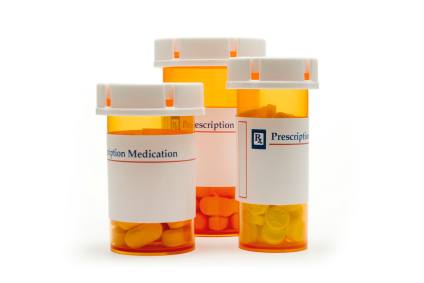
Prescription drug addiction: Addiction to pills
Pill addiction is often overlooked, while illegal drug use gets the most attention when people talk about drug addiction, legal drugs that are used for recreation, which leads to addiction.
For this section we’ll divide the prescription meds into three groups—central nervous system depressants, opioids and central nervous system stimulants
<
 Get Help Now! 800.815.3910 Available 24/7 The road to recovery starts here! Trusted, confidential help available 24/7. Speak with an addiction treatment specialist anytime. Please call us now at 800-815-3910! |
Prescription Drug Addiction: Depressants
The depressants are useful in treating conditions such as anxiety and sleep disorders. In American culture we commonly hear references to central nervous system depressants, as someone will say, “Take a Valium.” If someone is excited, angry or in any way agitated, the response is to take a pill and calm down. We do not question proper medical use of this group of drugs, as the benefits are many, but like other groups of drugs, the potential for abuse is ample and prescription drug addiction is common.
The depressants include barbiturates and benzodiazepines. The barbiturates would be drugs like Phenobarbital, amobarbital and secobarbital. The benzodiazepines are the tranquilizers, such as diazepam, oxazepam, lorazepam, alprazolam, clonazepam and chordiazepoxide. Probably the most familiar among these drugs to the general public are diazepam (Valium) and the chlordiazepoxide (Librium).
When abused, these drugs produce a variety of signs and symptoms, such as, but not limited to slurred speech, drowsiness, loss of motor function, confusion, depression, loss of memory. Users may experience a lowering of their blood pressure and slowed breathing all evidence of prescription drug addiction.
Prescription Drug Addiction: Opioids
Another major group of prescription medications that are widely abused are the opioids, which are prescribed to manage pain. These would include oxycodone, propoxyphene, hydrocodone, hydromorphene, meperidine and diphenoxylate. The likely most familiar to Americans are propoxyphene (Darvon) and hydrocodone (Vicodin).
These drugs, when used properly are effective, but can be easily abuse and become very addictive. Sports fans may recall the story told by NFL quarterback Brett Favre, who was prescribed Vicodin for an ankle injury in the mid-1990’s. He said that his use of the pain killer became frequent and that set off a chain of physical maladies associated with dependence.
This writer met a woman, who was in the hospital for treatment of a broken ankle, and said she had been prescribed oxycodone for a past injury. She admitted that she and her live-in boyfriend would grind it up and snort it for the intense effect.
We read stories about addicts going to several doctors to secure prescriptions to ensure an ample supply of drugs. Emergency departments all over the country are flooded with patients who have nothing wrong with them other than their demand for these kinds of drugs.
Prescription Drug Addiction: Stimulants
Our third group is the stimulants, which are prescribed for ADHD, obesity and narcolepsy. Dexedrine (dextroamphetamine) is a common prescription for obesity. Ritalin (methylphenidate) has almost become a staple for parents seeking to manage behavioral problems in their children.
The hazards of this group of drugs are much like those associated with methamphetamine, as the frequency of abuse. This group of drugs can be highly addictive and prolonged use can cause an unhealthy rise in body temperature, paranoia and irregular heart beat.
Follow the doctor’s orders to avoid addiction prescription medications
Any drug that is mood-altering can potentially be addictive, even if the doctor prescribed it. If the doctor clearly prescribes a medication that calls for one tablet every four hours and the patient pops them like candy, the abuse, depending on the medication, can lead to addiction. Prescription medication instructions need to be followed and respected.
Prescription medications are designed to improve our quality of life. They can regulate chronic conditions, such as diabetes and heart disease, or help us through allergy season.
Prescription meds help to control pain after a surgical procedure, or an athletic injury. Because they can relieve symptoms and ease our suffering, we can easily take too much, too often. Our bodies build up a tolerance to the drug’s effect and larger doses are needed to achieve the same results. Wanting relief, we take the meds more frequently and soon, we are in trouble; we have an addiction prescription medications.
Warning Signs of Prescription Drug Addiction
As a person slips into abuse and on to addiction prescription medication, there are several warning signs that will help you determine if this is a possibility.
Does the person try to obtain prescriptions from several physicians and pharmacies?
Do they make frequent trips to the Emergency Department to receive pain medication?
Do they experience anxiety about prescriptions that have lapsed, or not having enough of the drug?
Are there mood swings or attitude changes? Do they display signs of intoxication?
Are they drowsy?
Is their speech slurred?
Even older adults, who take much more medication than young people, can get into an abusive pattern with their meds. Because they take more drugs, the problem of negative drug interaction is a concern, and because they are taking so many different medications, it might be difficult just to keep track of the amounts and the dosages.
Moreover, the medication stays in the body of the older person longer than it does in a young person, and that increases the drug’s effect on the individual. Signs of addiction prescription medications include:
Confusion
Memory loss
Frequent falls or accidents
While this might be common for older adults in general, it’s important to recognize the warning signs and notify their physician about the possibility of drug abuse.
There are many examples of how people get into addiction prescription medication. It might start with a knee injury and end up in divorce court after months of spending the family’s money to get the drug. It might have been a need for medication to relieve stress, but it turned into and endless search for the drug, far beyond the confines of accepted medical practice. No matter, the serious nature of addiction applies to prescription medication just as it does to illegal drugs, or alcohol.
Knowing the warning signs and having reliable information, are the keys to recognizing and dealing with abuse of prescription medication. The medicines that doctors prescribe, in their right dosage and frequency, contribute to our health and well being. But abuse, intentional or otherwise, leads to addiction and serious health concerns.
Prescription drug addiction summary complete to home page
Summary of Prescription Drug Addiction:
Prescription Drug Addiction is the fastest form of drug addiction in the US. The prescription rate of opiates is increasing at a very alarming rate.
Prescription Drug Addiction can be stopped if the addict detoxes and goes into treatment and learns how to stop using.
Prescription Drug Addiction can be treated but the treatment must be matched to the addict, it is not a one-size-fits-all process.
Prescription Drug Addiction often starts before the addict realizes it. They believe they can stop using but they are already dependent and will go through withdrawal if they try to stop.
Prescription Addiction is most commonly for pain pills like Vicodin and OxyContin.
Prescription Addiction is a disease of the brain that can be treated and can be helped by the 12 Step programs like AA and NA.
and Finally Remember:
“Ask and it will be given to you; seek and you will find; knock and the door will be opened to you. For everyone who asks receives; he who seeks finds; and to him who knocks, the door will be opened.”
– Matthew 7:7-8
Recent Articles


-
How long before I will begin to feel normal once I stop using heroin?
Nov 18, 17 08:57 AM
How long does it take for you body to start to feel normal after stopping heroin? I was addicted to heroin; I stopped not even 2 weeks ago; took pieces
-
New Adventure Treatment Center
Nov 18, 17 08:53 AM
New Adventure Treatment Center is a long-term, Christian rehab for teenagers who are struggling with drug addiction and/or alcoholism.
-
How to Apply Your Recovery Skills to Your Family Life.
Nov 18, 17 08:49 AM
The only requirement for recovery is the desire to change. Once you’re in recovery, you must put in the hard work to create change within yourself. Not