Drug Addiction Ecstasy
Drug Addiction Ecstasy
 Get Help Now! 800.815.3910 Available 24/7 The road to recovery starts here! Trusted, confidential help available 24/7. Speak with an addiction treatment specialist anytime. Please call us now at 800-815-3910! |

Drug Addiction Ecstasy: ”Club Drugs”
Drug addiction ecstasy or club drugs are common in the bar and nightclub scene, used by young adults, or by teenagers at parties and rock concerts.
Ecstasy is very common
Currently one of the most common among these illegal drugs is Ecstasy. A popular drug in the 1960’s and 1970’s was acid (LSD), which is still in use today. Other drugs in this class include GHB, Rohypnol, ketamine and methamphetamine
Ecstasy
MDMA or 3, 4 methylened-ioxymeth-amphetamine is known on the streets as Ecstasy. Sometimes called the “love drug,” it is also known as XTC, beans, hug or Adam. Chemically, it is close to methamphetamine and mescaline, a hallucinogenic drug which was also popular in the 1960’s and 1970’s.
Ecstasy is both a psychedelic and a stimulant. Users experience distortions in time, get an energy lift, altered perception. The term “love drug” applies because the user gets heightened enjoyment out of touching. Drug addiction ecstasy is as common now as it was from “speed” in the 60’s.
Ecstasy is Addictive
Abuse of ecstasy use can happen. Among young adults and teens who reported using Ecstasy, 43% of those responding to the survey could be described as dependent because they continued to use regularly, despite knowing the health hazard, the psychological damage and other physical effects like withdrawal and the ascending tolerance to the drug, leading to greater use to achieve the same effect.
In that study, 34% were shown to be abusers of the drug. Abusers and addicts will likely experience memory loss and other cognitive declines. One must factor in that the users of Ecstasy may also be using other drugs.
Drug Addiction Ecstasy Risks
Users coming off the effects of Ecstasy can experience a feeling of being depressed, difficulty with concentration, feeling tired and a loss of appetite. Use of the drug can lead to hypothermia, an increase in body temperature.
Ecstasy does not metabolize like many other drugs, which can trigger liver and kidney damage, as well as cardiovascular failure. It can also be fatal. The risk factors for this drug are similar to those for cocaine. Increases in heart rate, blood pressure are possible.
Users who already have some kind of circulatory or heart problems are at greater risk. The drug can cause anxiety, depression, confusion, even days or weeks after the user has taken the drug.
Other Variations
Equally as serious for users are the variations of this drug sold on the street. Users may not know what they are taking. Ecstasy (MDMA) is derived from its parent drug MDA (methylenedioxyamphetamine) and PMA (paramethoxyamphetamine) is very similar and sometimes sold as Ecstasy.
These drugs carry their own health risks. Moreover, the Ecstasy sold may contain other drugs, such has the stimulant ephedrine, or cough suppressants like dextromethorphan, which produces an anesthetic effect, but can cause dangerous side-effects like delusion, agitation and irrational behavior such as those produced by PCP (phencyclidine). Sometimes mixed into the “Ecstasy” is ketaminbe, an anesthetic used by veterinarians.
The tablets may contain cocaine and methamphetamine. Users probably do not know what is in their “Ecstasy” and not know the potential danger when combined with other drugs they may be using, like alcohol or marijuana.
That covers drug addiction ecstasy use click here to return to Causes
and Finally Remember:
“Ask and it will be given to you; seek and you will find; knock and the door will be opened to you. For everyone who asks receives; he who seeks finds; and to him who knocks, the door will be opened.”
– Matthew 7:7-8
Recent Articles


-
Addiction 101, a simplified introduction to recovery.
Sep 18, 17 03:03 PM

Addiction 101 is a course we offer that explains basic information about drug addiction and recovery for those trying to understand it and combat it.
-
What are the financial and psychological effects of drug abuse
Sep 18, 17 08:53 AM
What are the financial and psychological effects of drug abuse?
-
Help Line
Sep 14, 17 12:46 PM
Our Help Line holds a free weekly addiction support group Monday Night at 6:00 pm eastern time, where you’ll learn how to help yourself or your loved one to end their addiction.
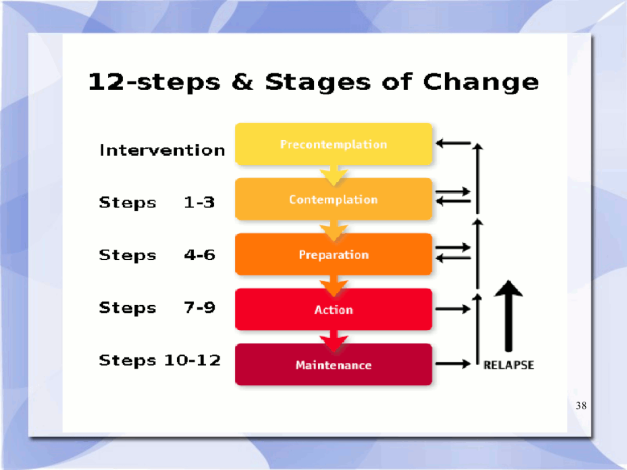
** We’re also launching four new
classes which will help you learn how to use motivation, affirmation
and encouragement to end addiction in yourself or a loved one. Each
class will focus on an evidence-based concept, explaining how to illicit positive
change
in yourself or in someone you love.
We will teach you practical techniques that
research has shown to be effective for achieving change and successfully ending addiction.
We’ll begin offering these classes this September through Learn-It-Live (Learn-It-Live is easy to use teaching tool and you don’t need to download anything to use it). Click Register Now! below to join one of our classes. The registration process includes setting up an account, but you determine your screen name to protect your confidentiality.
Four new addiction classes:
 |
– Addiction 101, a FREE 60 minute course introducing key substance addiction recovery concepts. This seminar examines many aspects of drug addiction, including symptoms and treatment. It also introduces the Stages-of-Change as a building for recovery. It will be held on October 3 at 6:00pm central-time. |
Addiction 101 Register Now!
|
|
 |
– Intervention, introduces you Change-Talk as an alternative to “tough-love”. Change-Talk is a method, which you can learn, to get an addict to move away from their addiction and toward recovery. This is a 2-hour class that meets October 5, at 10:00 am central-time at a cost of |
Intervention
|
|
 |
– Change-Talk, a building-block for addiction recovery. This course |
Change-Talk Register Now! |
|
 |
– Effective Conversations, teaches how to use conversation to connect for recovery. Productive, change-focused conversations facilitate positive change and addiction recovery. This is a 4-week, 60 |
Effective Conversations Register Now! |